 Netwrck
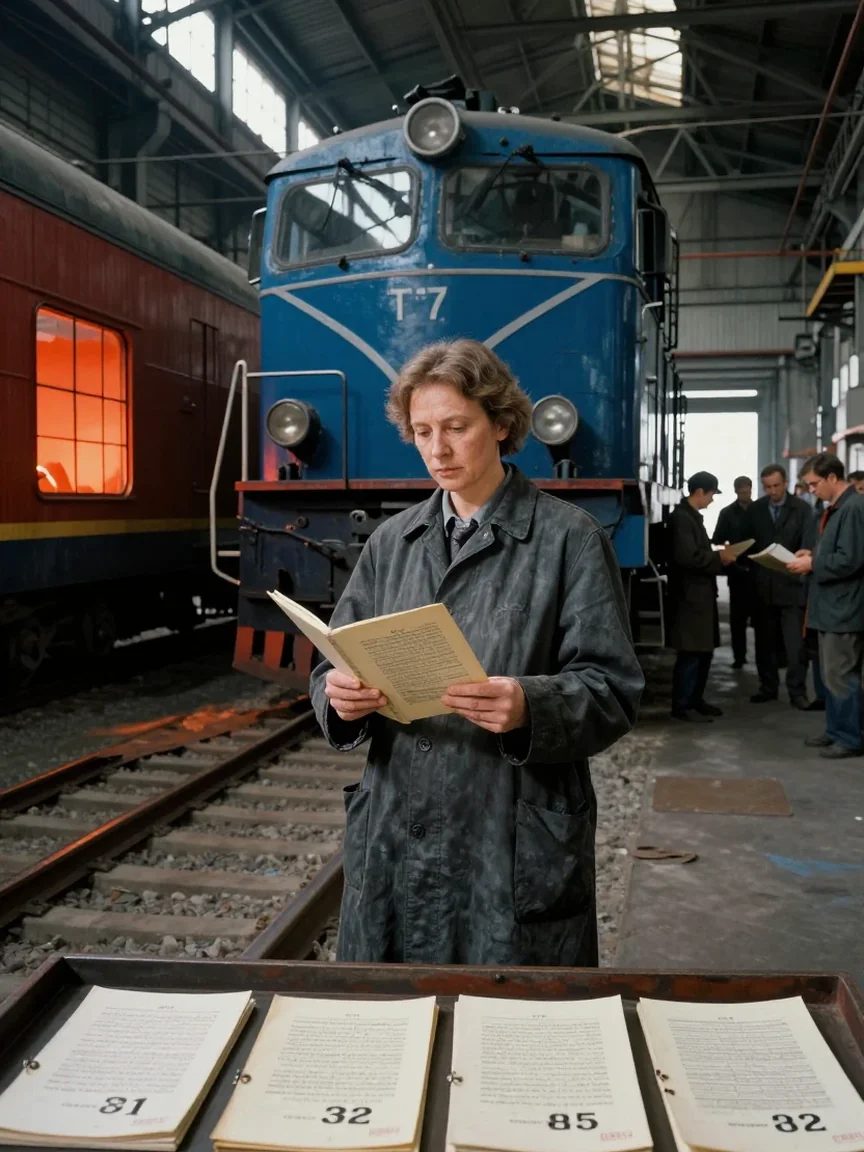

The Locomotive Works
She certifies what the works can do. The sale decides what those words mean.
- ~180 min
- 12392 words
- 59 scenes
- 9 branch points
- 5 endings
- Veyra, Republic of Orsava, January to October 1997
113 recorded plays (one per visitor per day)
Cover art · listing metadata: listing.json · counts: authored
About
For nine months in 1997, the Radan Locomotive Works is the Republic of Orsava in miniature: 6,400 names on a payroll four months late, a foundry that heats half a city, and a state preparing to sell both for less than the machinery would fetch under cutting torches. Chief technologist Irina Vask must write Schedule T-7, the technical annexe that says what the works can actually do. Four bidders can promise anything. Her tables decide which promises are legally possible. Each employee receives twelve thousand privatisation coupons. Outside Gate Three, brokers buy a complete book for eight hundred asters — one average month's wage, cash today — from people already owed four. Director Anton Verek is quietly concentrating the books in an employee trust that promises 4,800 jobs and a hot foundry on credit no bank has approved. Shop steward Daro Meln has organised a forty-eight-hour strike during the acceptance test for the last export order on Radan's books. If the stoppage lands as announced, Volska State Rail may cancel thirty locomotives worth 144 million asters and demand back an advance the works has spent. The four bids offer four different survivals. Karsin Heavy Industries can make locomotives but will close the foundry. Volska can preserve 3,200 jobs if its order and hard-currency approval survive. Anton's employee trust would keep the plant whole if working capital appears. Northstar wants the river land, paint hall and 820 final-assembly workers, and its due-diligence lead Sabine Krall says so when asked. It is also the only bidder to put severance money in escrow. The Locomotive Works is an adult industrial drama about voucher privatisation, labour power and the violence hidden inside definitions. Choices alter production viability, wage arrears, workforce trust, the heat in a furnace and how much truth survives in the annexe. Five endings distinguish the life of a plant from the lives of the people who built it.
Content notice8 topics · tap to review
- economic coercion and wage theft
- unemployment and threatened poverty
- political and corporate corruption
- labour conflict and strikebreaking
- a nonfatal industrial crush injury
- alcohol and tobacco use
- sexual content implied, cuts away
- class prejudice and xenophobia shown through behaviour; no slurs written out
Cast
-
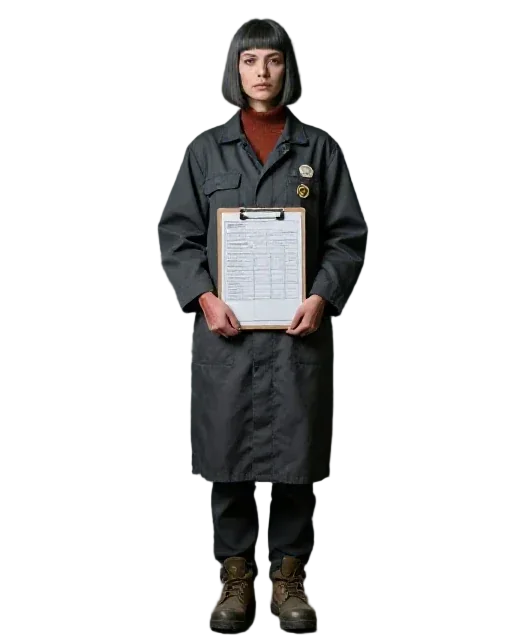 Irina Vask
protagonist; chief technologist of Radan Locomotive Works
Irina Vask
protagonist; chief technologist of Radan Locomotive Works
-
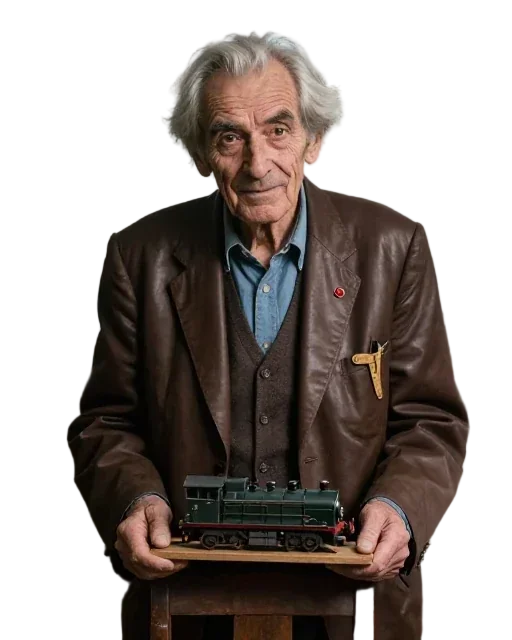 Anton Verek
works director; promoter and concealed controller of the employee trust
Anton Verek
works director; promoter and concealed controller of the employee trust
-
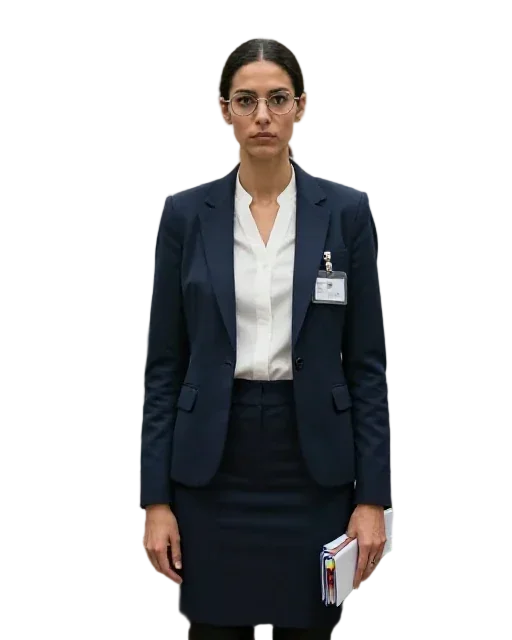 Lenka Sorel
Ministry of State Assets privatisation commissioner
Lenka Sorel
Ministry of State Assets privatisation commissioner
-
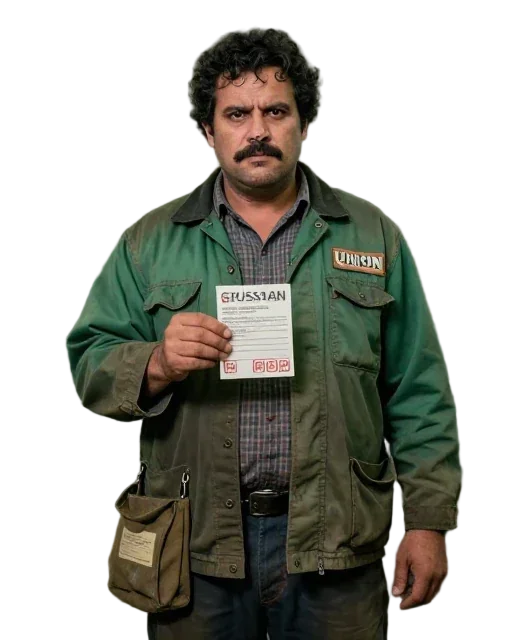 Daro Meln
shop steward for Metalworkers' Union Local 14
Daro Meln
shop steward for Metalworkers' Union Local 14
-
 Sabine Krall
Northstar Transit and Land Consortium due-diligence lead
Sabine Krall
Northstar Transit and Land Consortium due-diligence lead
-
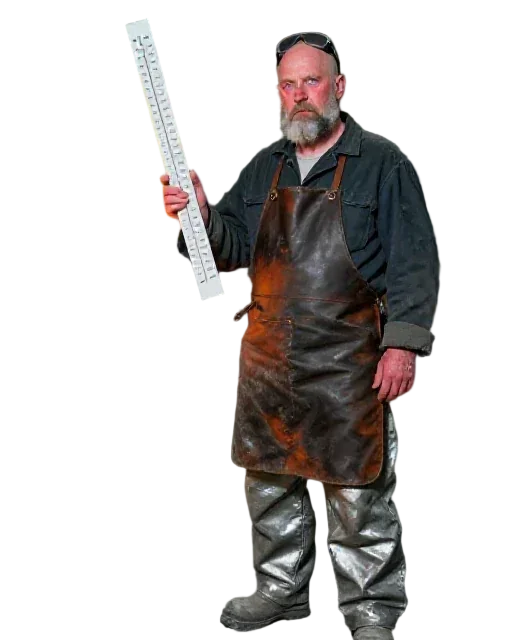 Olek Bran
foundry master responsible for No. 2 furnace and the district-heat load
Olek Bran
foundry master responsible for No. 2 furnace and the district-heat load
-
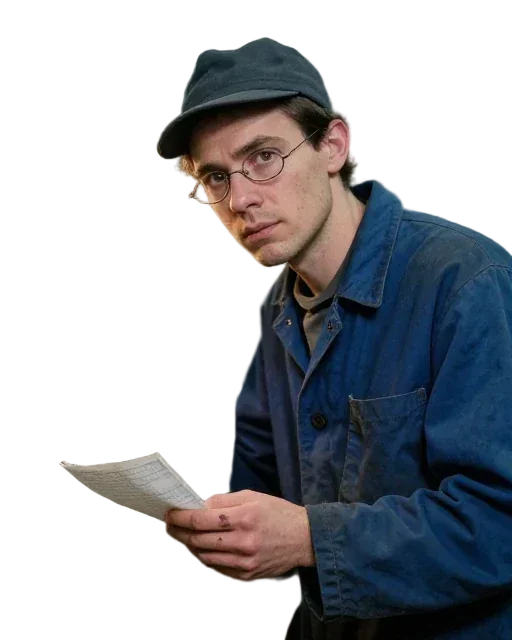 Tomas Rul
H-14 horizontal-borer operator and keeper of its compensation table
Tomas Rul
H-14 horizontal-borer operator and keeper of its compensation table