 Netwrck
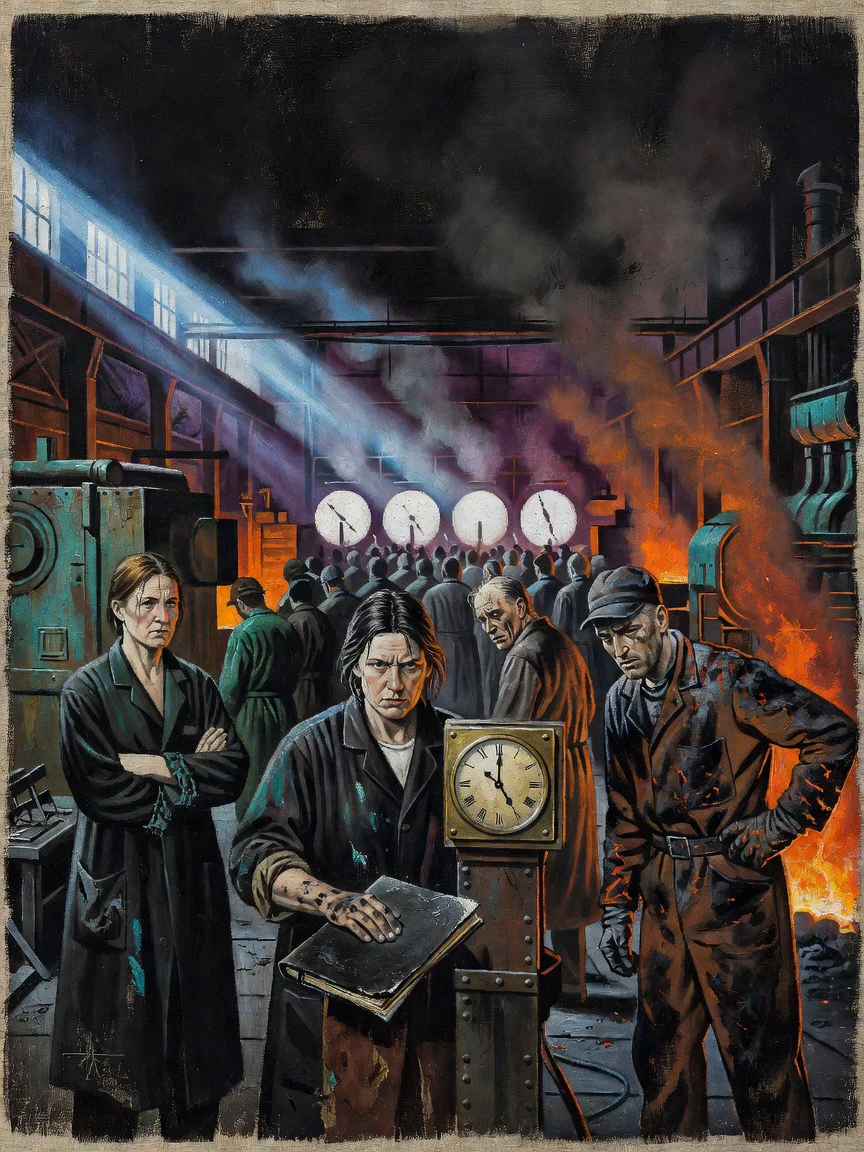

The Second Shift
The dead took their jobs. Nobody asked the dead.
- ~198 min
- 33941 words
- 74 scenes
- 14 branch points
- 7 endings
- Kesselgrad, Republic of Veyra, Smeltmonth 219 After Concord
110 recorded plays (one per visitor per day)
Cover art · listing metadata: listing.json · counts: authored
About
Kesselgrad, 219 After Concord. The Vosser Company smelts half a republic's rail and binds the recently dead to work where living skin cannot: beneath the furnace mouths, beside the slag gutters, through the black-bell hours of the second shift. A family can sell nine years of a dead relative's labour for 240 crowns, enough to bury them and keep the rent collector off one winter. The risen retain speech, habits and scraps of memory, but every direct use of their name restores them only by spending the little coherence they have left. Wenna Kolb is forty, Vosser's binder-of-record, and the signature beneath four thousand such bargains. Eleven years ago, one of them was her husband Oskar. Wenna has been feeding altered clocks and death certificates to Emil Varga, a union steward preparing a strike. Emil trades her name to Vosser for a ten-hour settlement that will truly keep exhausted furnacemen alive. In the same bargain, Oskar's nearly finished term receives six illegal months. Wenna can expose the trade only with help from two people she loves: Doctor Sabine Rothe, the Company physician who has falsified the thirty-hour binding limit so poor families still get paid, and Jakob Rehn, a burned furnaceman and strike leader who believes property cannot be reformed. Jakob wants every term voided, even though a void term stops the risen body it releases. Sabine wants time, knowing every hour preserves a person and prolongs an ownership. Then Furnace Four opens. The living carry bodies to Wenna while the second shift walks unharmed through heat to bring survivors out. Before the last casualty's thirty-hour window closes, the union must decide whether the dead may vote, grieving families must decide whether a name is comfort or execution, and the city must learn how much of its heat comes from people it has declared to be things. Evidence can become public truth, private leverage or one husband's receipt. Love can preserve a profession, a strike, a body or a conscience, never all four. Seven endings ask different questions of freedom; none lets Kesselgrad keep its clean clock.
Content notice9 topics · tap to review
- industrial disaster and graphic injury
- death, corpses and coerced postmortem labour
- body desecration and loss of bodily autonomy
- grief and death of a spouse
- exploitative contracts, poverty and institutional corruption
- addiction to pain medicine shown through consequence
- sexual content implied, cuts away
- violence may be graphic where earned
- bigotry by class and legal status shown through behaviour; no slurs written out
Cast
-
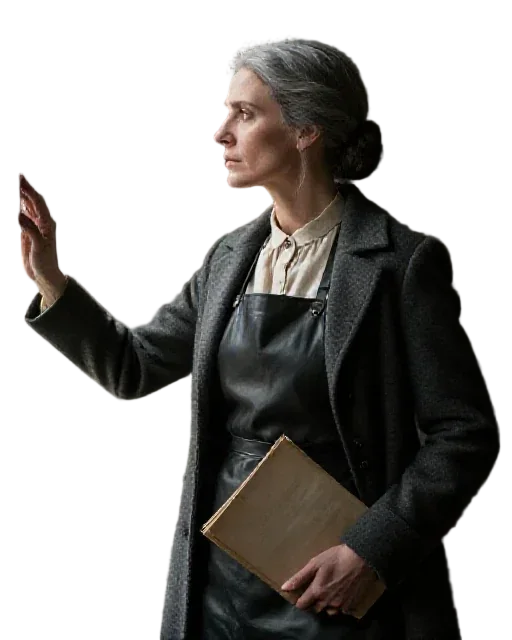 Wenna Kolb
protagonist; Vosser Company's binder-of-record
Wenna Kolb
protagonist; Vosser Company's binder-of-record
-
 Doctor Sabine Rothe
Company physician; death certifier and Wenna's longtime lover
Doctor Sabine Rothe
Company physician; death certifier and Wenna's longtime lover
-
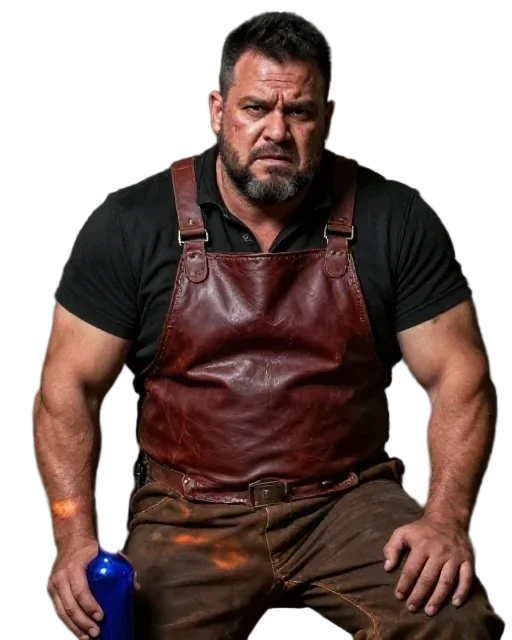 Jakob Rehn
furnaceman, strike leader and Wenna's newer lover
Jakob Rehn
furnaceman, strike leader and Wenna's newer lover
-
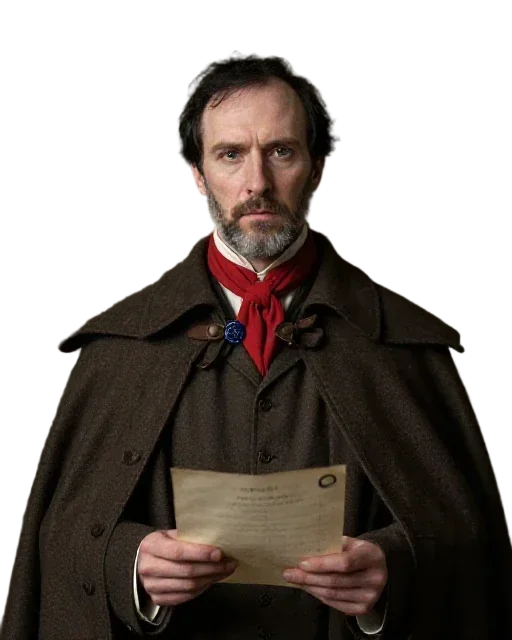 Emil Varga
Iron Hands union steward who trades Wenna's name
Emil Varga
Iron Hands union steward who trades Wenna's name
-
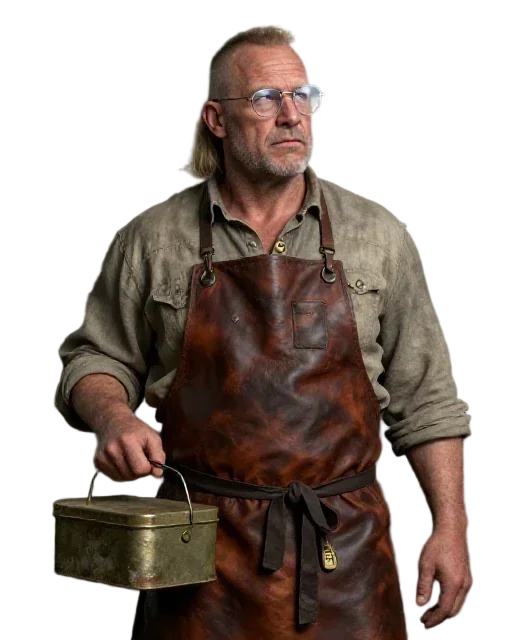 Oskar Kolb
Wenna's husband; a risen furnaceman eleven years into his term
Oskar Kolb
Wenna's husband; a risen furnaceman eleven years into his term
-
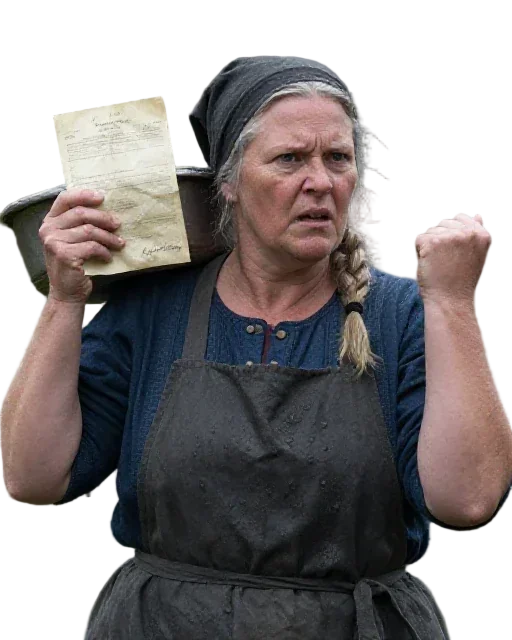 Marta Vey
laundry worker asked to sell her adult son's term
Marta Vey
laundry worker asked to sell her adult son's term
-
 Adela Vosser
Company director and defender of term property
Adela Vosser
Company director and defender of term property
-
 Ivo Vey
Marta's adult son; an accident casualty whose possible term tests every rule
Ivo Vey
Marta's adult son; an accident casualty whose possible term tests every rule